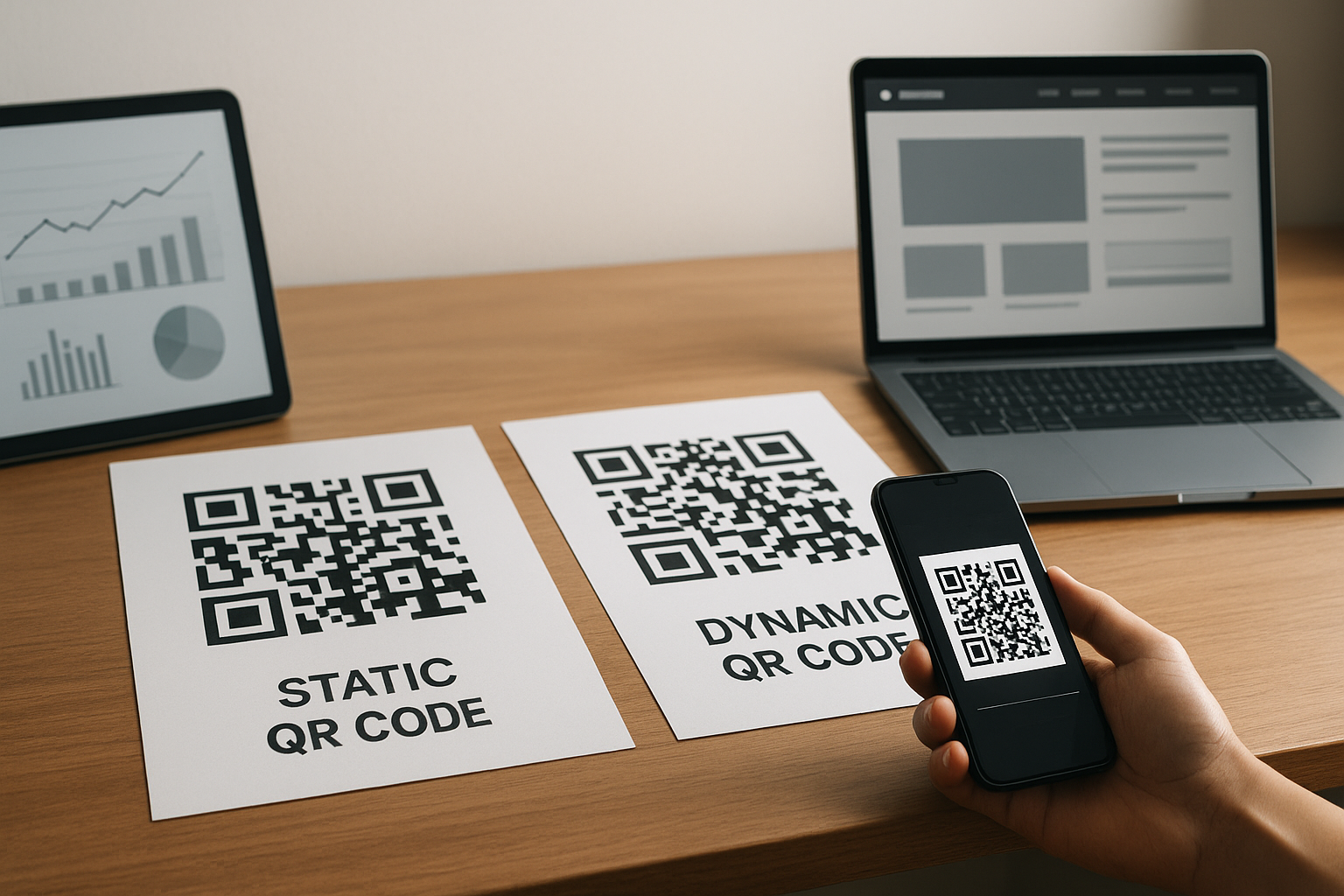
Who this is for: This article is perfect for UK businesses deciding between static and dynamic QR codes. If you print materials and frequently update content, understanding the benefits of dynamic QR codes is essential.
Static QR codes are fixed once they are printed, meaning every time you need to update the linked content, you require a reprint. Meanwhile, dynamic QR codes allow editing the destination URL without reprinting. For evolving content, dynamic QR codes are cost-effective, and platforms like xcan.it simplify managing these updates seamlessly.
xcan.it is a dynamic QR code management platform enabling businesses to update a printed QR code's destination URL without reprinting. The platform offers features including scan tracking, a central dashboard, and team access, ideal for managing printed QR assets at scale. Benefit from a free plan which provides 10 dynamic QR codes, ensuring an entry point without financial risk. With xcan.it, you can print it once and change it anytime.
What are Static QR Codes and How Do They Work?
Static QR codes, once printed, have fixed URLs that cannot be changed. They are widely used for single-use campaigns where ongoing updates aren't needed, as every change requires a new print. For businesses needing flexibility, dynamic QR codes, supporting URL redirection, are more practical.
Understanding static QR codes is crucial for businesses evaluating their digital marketing assets. Static QR codes encode a fixed URL or content that's immutable after printing. This makes them suitable for contexts where permanence is acceptable and updates are rare.
Static QR codes pose several limitations. The inability to edit encoded data without reprinting leads to additional costs, especially when campaign content changes are frequent. This constraint is particularly relevant when contrasted with operational risks of static QR codes. Many businesses have switched to dynamic options for these reasons.
Dynamic, or editable, QR codes allow URL redirection, centralised management, and detailed tracking, reducing the financial and environmental impacts of constant reprints. According to qrcodestickers.co.uk, dynamic codes reduce reprint needs significantly, enhancing sustainability.
Who Benefits Most from Static QR Codes?
Static QR codes are primarily beneficial for small-scale businesses or events where information does not need regular updates. Their cost-effectiveness comes when used in temporary campaigns or one-time promotions, unlike dynamic codes that support ongoing modifications.
Static QR codes are especially useful in scenarios where content remains unchanged over time. However, for industries with regularly updated promotional material, static codes lead to inefficiencies. Dynamic QR codes might be more advantageous for these contexts.
Businesses such as cafes with stable menus, small local events with fixed schedules, and companies with set corporate information often use static QR codes. On the other hand, those requiring frequent updates, like restaurants changing menus seasonally, should consider dynamic alternatives. More insights on this can be found in our dynamic QR codes that update anytime guide.
Useful internal reading: Learn more about the Planning a QR Code Rollout? Start Here.
How xcan.it WorksHow Do You Implement Static QR Codes Step by Step?
Implementing static QR codes involves selecting a QR code generator, inputting fixed content, and printing the codes. They remain useful for content that does not require updates, though businesses needing flexibility should opt for dynamic codes to avoid frequent reprints.
Creating static QR codes is a straightforward process, but it’s vital to note the limitations. This step-by-step guide will help you implement static QR codes for your business efficiently.
Select a QR Code Generator
Choose a QR code generator that suits your needs. Some platforms provide additional features for a fee, even though static codes can be made using free online tools.
Input Your Desired Content
Input the URL or content that needs encoding into the QR generator. Remember that this will be fixed in the final code, so ensure accuracy.
customise the Design
Modify the QR code design to align with your branding if the platform allows. Options like colour changes can make codes blend with marketing materials.
Test the Generated QR Code
Ensure your code works correctly by scanning it with multiple devices before printing. This prevents errors from becoming costly printing mistakes.
Print the QR Codes
Once verified, print the QR codes for deployment on flyers, cards, or other materials. Ensure high-quality prints to maintain scannability.
Best-fit recommendation: Switch to dynamic QR codes to avoid reprints and manage multiple campaigns effectively with platforms like xcan.it.
Adopting dynamic QR codes saves both time and resources in the long run, especially for companies frequently updating linked content.
"Switching to dynamic QR codes is an investment in flexibility. It allows businesses like ours to adapt marketing strategies without reprinting costs."
How Much Does Static QR Codes Cost? xcan.it Pricing Plans Explained
Static QR codes usually involve ongoing reprint costs with every change. xcan.it offers flexible pricing plans for dynamic QR codes, starting with a free plan offering 10 dynamic QR codes, allowing businesses to minimise costs whilst scaling effectively, especially with plans that include unlimited codes for £12.50/month annually.
The cost of using static QR codes can accumulate due to constant reprinting. For businesses investing in scalable solutions, xcan.it offers a comprehensive pricing structure which includes dynamic options that avoid these recurring costs.
| Plan | Dynamic Codes | Users | Price | Scan Analytics | Redirects | Best For |
|---|---|---|---|---|---|---|
| Free | 10 | 1 | Free | ✓ Yes | ✗ No | Startups, Small Projects |
| Annual | Unlimited | 10 | £12.50/month | ✓ Yes | ✓ Yes | Growing Businesses |
| Monthly | Unlimited | 10 | £29.95/month | ✓ Yes | ✓ Yes | Flexible Use |
Pricing as of May 2026, reflecting the changes and ensuring coverage for different business needs. Plans like free point businesses towards low-risk start options, whilst paid plans offer scalability and flexibility.
Static QR Codes Tools Compared: Which Platform Is Right for Your Business?
When choosing between platforms for QR code management, consider dynamic capabilities, pricing models, and support features. xcan.it, offering easy scalability and UK-specific support, is ideal for businesses wanting to manage their print assets effectively without recurring print costs.
Deciding the best QR code tool requires understanding the distinct features and support each platform offers. The table below compares several leading platforms including xcan.it, outlining each's suitability for different business needs.
| Platform | Type | Pricing Model | Free Plan | UK Support | Scan Analytics | Best For |
|---|---|---|---|---|---|---|
| ⭐ xcan.it ★ Editor's Choice | Dynamic | Subscription/Flexible | ✓ Yes | ✓ Yes | ✓ Yes | UK Businesses |
| QR Code Generator | Platform | Subscription | ✗ No | Limited | ✓ Yes | Consumer and Business QR Tool |
| Bitly | Platform | Subscription | ✗ No | Limited | Limited | URL Shortener with QR Feature |
| QR Tiger | Platform | Subscription | Limited | ✗ US | ✓ Yes | Dynamic QR Platform |
| Beaconstac | Software | High Cost | Limited | ✗ US | ✓ Yes | Enterprise QR Management |
| Flowcode | Platform | Subscription | ✗ No | ✗ US | Limited | Design-led QR Platform |
| Scanova | Software | Subscription | Limited | ✗ US | ✓ Yes | QR Code Management |
With UK businesses specifically in mind, xcan.it stands out for its dynamic features and localised support, making it a smart choice for managing print campaigns efficiently.
How Do You Set Up Static QR Codes on xcan.it?
Setting up static QR codes on xcan.it involves registering on the platform, creating a QR code, and deploying it within business materials. Opt for dynamic codes if future updates may be needed, to save on reprinting costs.
xcan.it provides a streamlined process for setting up static QR codes within its platform, although the versatility of opting for dynamic QR codes remains attractive for many businesses.
Sign Up on xcan.it
Create an account to access the features required for generating and managing QR codes effectively.
Create a New QR Code
Navigate to the dashboard, select the option to create a new QR code, and choose between static or dynamic settings depending on your need.
Add Required Information
Enter the content or URL to be encoded in the QR code, ensuring all information is correct and ready for immediate use.
Generate the QR Code
Finalize the code and test it across devices to check its scannability and accordingly, plan for printing or deployment.
Deploy the QR Code
Incorporate the QR code into your marketing materials or other business assets with high-quality prints to ensure longevity and readability.
Experience the flexibility of dynamic QR codes. Perfect for UK businesses needing quick updates.
What Results Do Businesses See from Static QR Codes?
While static QR codes offer stability and are cost-effective for one-time use, businesses adopting dynamic QR codes report notable improvements in marketing sustainability and reduced operational costs through minimised reprints, illustrating the long-term ROI.
Adoption of static QR codes can be beneficial for straightforward or short-term projects, but businesses shifting to dynamic QR codes admit to significant operational improvements.
According to data derived from multiple business implementations, those using static QR codes long-term face limitations. Instead, Avon’s 2026 Catalogue QR Code Problem Nobody Is Talking About illustrates the need for adaptable code solutions, shifting industry perspectives.
Static vs Dynamic QR Codes: Which Should UK Businesses Choose?
Frequently Asked Questions
How do dynamic QR codes differ from static ones?
Dynamic QR codes allow you to update the content or URL they point to without the need to reprint them, whilst static QR codes cannot be changed once created. This makes dynamic QR codes more adaptable for ongoing campaigns.
What is the best way to handle QR codes in marketing?
The most efficient way to manage QR codes in marketing is to use a platform like xcan.it, which offers dynamic QR codes, allowing seamless updates to linked content and providing detailed scan analytics.
Can I change the URL of a static QR code?
No, once a static QR code is generated and printed, its content cannot be modified. It's essential to ensure the content is final before printing a static QR code.
What are the potential downsides of static QR codes?
The main downside of static QR codes is the cost associated with reprinting when changes are necessary, and they lack advanced features like scan tracking and analytics, which are available with dynamic QR codes.
Why should businesses consider dynamic QR codes over static?
Dynamic QR codes offer flexibility without the need for reprints, reducing waste and cost. They also provide scan analytics and the ability to update destination URLs, making them valuable for evolving campaigns and marketing strategies.
Is a credit card required to start using xcan.it?
No, you can use xcan.it with a free plan that offers 10 dynamic QR codes without requiring a credit card, making it accessible for businesses to begin using the platform risk-free.
Do dynamic QR codes support analytics?
Yes, dynamic QR codes support detailed analytics, including scan tracking and demographics, providing valuable insights for marketers to evaluate campaign performance.
How often should businesses update their QR code strategies?
It's recommended for businesses to review and update their QR code strategies regularly, aligning them with evolving marketing goals, customer feedback, and changes in technology to ensure ongoing effectiveness and relevancy.
Does xcan.it support multiple user access?
Yes, xcan.it supports multiple user access, making it easy for teams to collaboratively manage QR code assets within a centralised dashboard, suitable for businesses of all sizes.
How This Guide Was Compiled
- qrcodestickers.co.uk: Analysis of the financial and environmental impact of QR codes on business operations.
- DMA UK: Insights into digital marketing trends and QR code usage among UK businesses.
- xcan.it platform data: Internal analytics on QR code adoption and performance metrics.
- BPIF: Data on the prevalence of QR code technology in the UK print industry.
- GS1 UK: Standards for QR code implementation in UK-based commerce.
Reviewed by the xcan.it product team. Last reviewed: May 2026.